

If you’ve browsed the craft aisle lately, you’ve probably seen both “clay” and “super clay” and wondered whether they’re the same thing with a fancier name. They’re not. Both are great for making things by hand, but they feel different, behave differently and suit different projects.
What is regular clay?
“Clay” usually means traditional modelling clay: natural or terracotta clay, or standard air-dry clay. It’s heavier and denser, and it often needs a bit of water to stay workable.
- Texture: firm and a little rough or grainy
- Weight: heavy once dried
- Handling: takes effort to knead and shape, and can stick to your hands
- Drying: air-dries or is fired, depending on the type, and can crack if it dries too fast
- Best for: pots, bowls, sculptures, school projects and anything that needs to be sturdy
What is super clay?
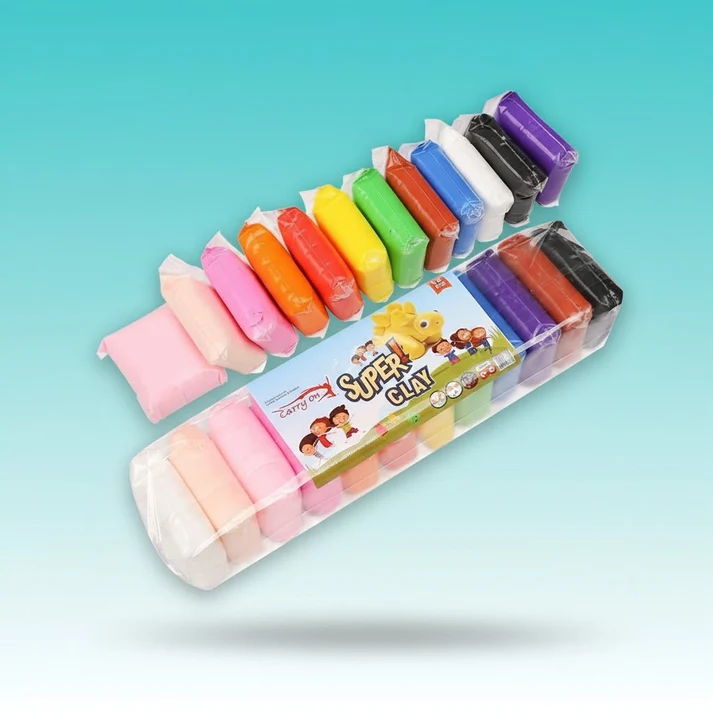
Super clay is a soft, ultra-light, air-dry modelling clay. It’s smooth, stretchy and easy to handle, which is why it’s so popular for kawaii crafts, miniatures and kids’ activities.
- Texture: silky, soft and squishy, like dough
- Weight: very lightweight, even when dry
- Handling: doesn’t stick to hands, so there’s little mess and no water needed
- Drying: air-dries at room temperature, with no oven or kiln
- Colours: comes in bright shades that you can mix to create new ones
- Best for: miniature food, charms, fridge magnets, keychains, flowers, decoden and cute figurines
Clay vs super clay at a glance
| Regular clay | Super clay | |
|---|---|---|
| Feel | Firm, dense, slightly rough | Soft, smooth, stretchy |
| Weight | Heavy | Ultra-light |
| Ease of use | Needs more effort and water | Very beginner-friendly |
| Mess | Can be messy | Clean and non-sticky |
| Detail work | Moderate | Excellent for tiny, delicate shapes |
| Strength | Sturdy, good for functional items | Lightweight, best for decorative pieces |
| Best for | Pottery, sculpture, large projects | Miniatures, charms, kawaii crafts, kids’ play |
Which one should you choose?
Choose regular clay if you want to make something sturdy or functional, like a small pot, a trinket dish or a sculpture, and you don’t mind a firmer material and a longer drying time.
Choose super clay if you’re a beginner, crafting with kids, or making tiny decorative pieces like miniature cupcakes, animal charms or magnets. It’s easy to shape, light enough to wear or hang, and quick to dry.
Tips for working with super clay
- Keep it covered. Seal leftover clay in an airtight bag or container so it doesn’t dry out.
- Mix colours gently. Knead two colours together to create custom shades.
- Let it dry fully. Thicker pieces can take 24 to 48 hours to harden completely.
- Seal for shine. A coat of clear varnish gives a glossy finish and a bit of protection.
- Add paint after drying. Acrylic paints work well for fine details like faces and patterns.
Final thoughts
Regular clay is the classic choice for sturdy, traditional pieces, while super clay is the soft, lightweight option that makes detailed, colourful crafts easy for beginners, kids and cute-craft lovers. Many crafters keep both on hand and pick whichever suits the project.